Journal
Best Times to Give Sadaqah: A Year-Round Islamic Calendar
The best times to give sadaqah across the Islamic year, from Ramadan 2027 to Dhul Hijjah and family milestones, with a calm plan for sadaqah jariyah.
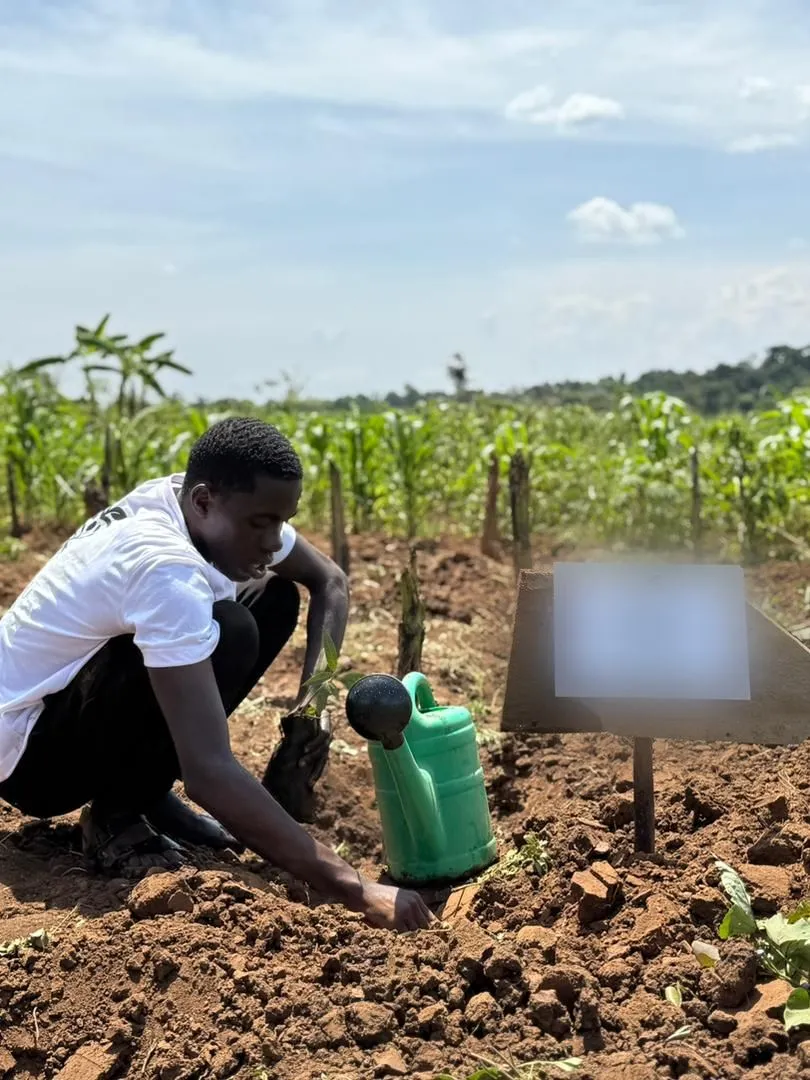
The best times to give sadaqah are any day you are able to give, with certain moments carrying special weight: Ramadan, especially its last ten nights, the first ten days of Dhul Hijjah, the Day of Arafah, and family milestones such as a birth, a wedding or a loss. Giving steadily through the year matters as much as any single date.
Many Muslim families want to give at the right moment but find the year moves quickly. Ramadan arrives, then Eid, then Dhul Hijjah, and the intention to set up something lasting gets pushed to next time. A simple calendar helps. It lets you decide in advance what you will give, and when, so each occasion feels prepared rather than rushed.
This guide walks through the Islamic giving calendar for 2026 and 2027, with expected dates, what each occasion means for sadaqah jariyah, and how a family well, fruit trees or a small monthly gift can fit around them. It also links to a detailed guide for each moment.
When is the best time to give sadaqah?
There is no wrong day for sadaqah. A gift given quietly on an ordinary Tuesday is still sadaqah, and many scholars encourage regular, modest giving over occasional large gifts. The Islamic calendar does, however, contain seasons that Muslims have long treated as moments to give more.
Ramadan is the best known. The last ten nights within it, and the search for Laylat al-Qadr, are a focus for many families. The first ten days of Dhul Hijjah, leading to the Day of Arafah and Eid al-Adha, are another. Beyond these, personal moments count too: welcoming a child, a marriage, or remembering a parent who has passed away.
The practical answer, then, is to combine both. Choose one or two larger gifts for the seasons that mean most to you, and keep a small regular gift running in between. That way your giving does not depend on remembering the right week, and the big occasions become a chance to add something, not to start from nothing.
The Islamic giving calendar for 2026 and 2027
Islamic dates follow the lunar calendar, so they move about eleven days earlier each Gregorian year. The dates below are expected dates, subject to moon sighting, and your local mosque will confirm them.
- Giving Tuesday: Tuesday 1 December 2026. Not a religious day, but a shared moment of giving.
- Ramadan 1448: expected to begin around Monday 8 February 2027.
- Last ten nights: from the evening of 27 or 28 February 2027.
- 27th night: about Saturday 6 March 2027.
- Eid al-Fitr: about Tuesday 9 or Wednesday 10 March 2027.
- 1 Dhul Hijjah: about Friday 7 or Saturday 8 May 2027.
- Day of Arafah: about Saturday 15 May 2027.
- Eid al-Adha: about 16 or 17 May 2027.
- Islamic New Year 1449: about Sunday 6 June 2027.
For a well, remember the lead time. A family well takes 3 to 5 weeks from payment to the handover report, so if you want news to arrive near a particular date, give a few weeks ahead. Our Ramadan 2027 giving calendar for the UK sets out a week by week plan.
When to give sadaqah jariyah, and why it fits every season
Sadaqah jariyah is ongoing charity: a gift whose benefit continues after it is given. A well that a family draws water from, or a fruit tree that produces food and income, are classic examples. The Prophet ﷺ described it as one of the few deeds that continue after death.
When a person dies, their deeds come to an end except three: a continuing charity, knowledge that benefits, or a righteous child who prays for them.Sahih Muslim, no. 1631
Because the benefit is long lasting, sadaqah jariyah suits any point in the year. Many families choose Ramadan for it, others choose a birth or a bereavement. What matters is the intention and that the gift is real and verifiable. With us, a well comes with photos and video of the stages, the exact GPS location, a handover report and the name on the plaque, sent by email as a permanent gallery link. You can read about sadaqah jariyah in Ramadan for the season most people start with.
How to plan your giving across the year
A plan does not need to be complicated. Most families find that three decisions are enough.
1. Choose your main occasion
Pick the moment that matters most to you, often Ramadan or Dhul Hijjah, and decide on one meaningful gift for it, such as a family well at £560 or a small group of fruit trees for a named family.
2. Add a regular gift
A monthly gift that starts from £15 keeps your sadaqah going between occasions. The Spring at £47 a month funds about one well a year, and The Orchard at £95 a month about two. You can change or stop it at any time, in one email.
3. Note the family moments
Births, weddings, birthdays and anniversaries of a loss come up through the year. Writing them down means you can mark them with a tree or a well when they arrive.
Personal and family occasions for sadaqah jariyah
Some of the most meaningful gifts are tied to people rather than dates. A fruit tree planted for a named family when a child is born, a well given in the name of a couple on their wedding day, or a gift on behalf of a parent who has died: each links the gift to someone you love.
Giving on behalf of someone who has passed away is well established. A man told the Prophet ﷺ that his mother had died suddenly and that he believed she would have given charity, and asked whether he could give on her behalf. The Prophet ﷺ said yes (Sahih al-Bukhari, no. 1388).
Trees work well for these moments because they come in several sizes. A mango, lemon or orange tree is £46, a banana, guava or papaya tree £39, and a date palm £109. Two trees are 10% off and three or more are 20% off. Each comes with photos of the planting, the sign with the name and the GPS location. Prices are shown in your own currency on the site.
Guides in this series
Each occasion has its own detailed guide, with dates, ideas and practical steps.
- A Muslim plan for Giving Tuesday 2026
- Expected Ramadan 2027 dates in the US, Canada and Australia
- A giving plan for the last ten nights
- Giving on Laylat al-Qadr, the Night of Power
- An Eid gift that keeps giving
- Giving in the first ten days of Dhul Hijjah
- Sadaqah around Hajj and Umrah
- Giving at the Islamic New Year
- Sadaqah jariyah for a new baby
- An Islamic wedding gift that lasts
- Birthday sadaqah jariyah ideas
- Sadaqah jariyah for a company or team
Questions people ask
Is it better to give sadaqah once a year or every month?
Both are good, and they work well together. A larger gift at Ramadan or in Dhul Hijjah marks the season, while a small monthly gift keeps your giving steady through the rest of the year. Regular giving also takes the pressure off remembering the right week, which many families find helps them give more consistently.
Do Islamic dates change every year?
Yes. The Islamic calendar is lunar, so each occasion moves about eleven days earlier in the Gregorian calendar each year. Dates also depend on moon sighting, so the dates in this guide are expected dates. Your local mosque or community will confirm the exact start of each month.
How early should I give if I want a well ready for a specific occasion?
A family well takes 3 to 5 weeks from payment to the handover report. If you would like the report to arrive around Ramadan or Eid, give a few weeks ahead. The well is the same gift whenever you give; only the timing of the news changes.
Can I give sadaqah jariyah in someone else's name?
Yes. Many people give in the name of a parent, a child, a couple or a person who has died. For a well, the name goes on the plaque, up to 30 characters. For fruit trees, it goes on the sign at the planting, and both appear in the photos you receive.
Where to start
If you only do one thing, pick your main occasion for the coming year and decide what you would like to give. If you want your sadaqah to keep going in between, a small monthly gift is a calm way to do it. Whenever you are ready, we will be here, and every pound is itemised on the transparency page.
Keep reading
Giving Tuesday 2026: A Muslim Plan for Sadaqah Jariyah
Giving Tuesday falls on 1 December 2026. A calm Muslim plan for the day: a family well, fruit trees for a named family, or a monthly sadaqah jariyah gift.
Sadaqah for a New Baby: A Gift That Grows With Them
Sadaqah for a new baby: how to give in a newborn's name, how it sits alongside the aqiqah, and why a fruit tree or well makes a gift that grows with them.
Fruit Tree Sadaqah Jariyah: The Complete Guide
A fruit tree sadaqah jariyah, explained: the hadith, the nine species and their prices, what proof you receive, and how to plant one for a named family.