Journal
Sadaqah Jariyah for the Deceased: A Complete Guide
Sadaqah jariyah for the deceased: what the hadith say, whether charity reaches the dead, and how a water well or fruit tree can be given in their name.
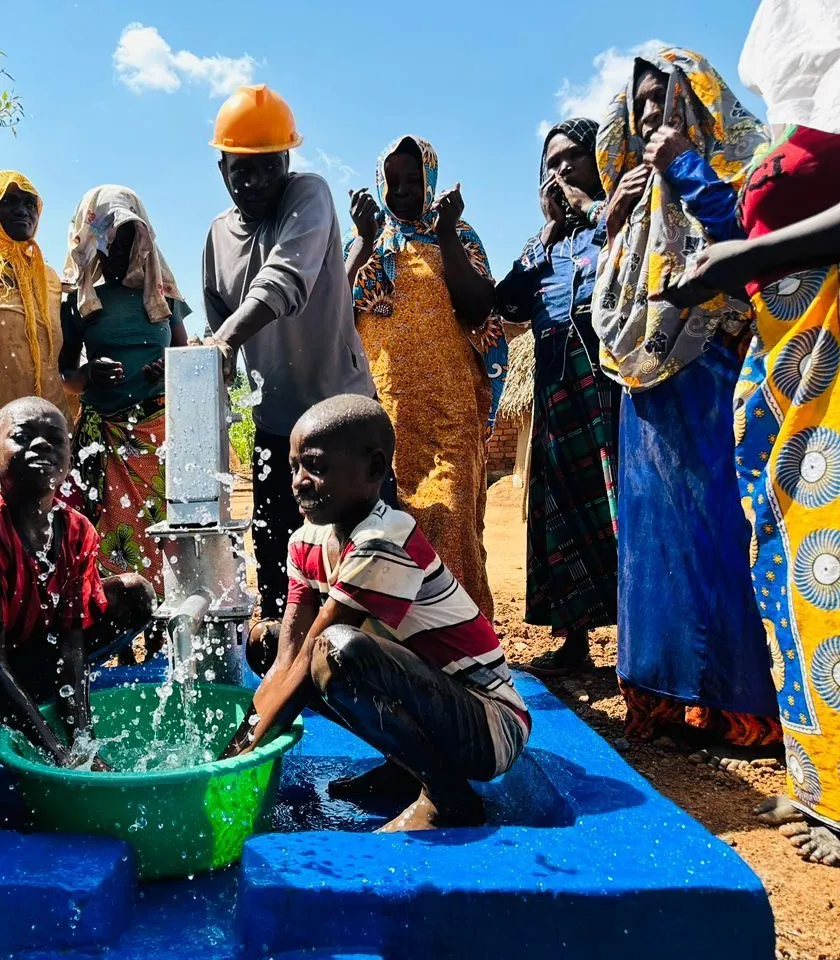
Sadaqah jariyah for the deceased is a lasting charity given in the name of someone who has died, such as a water well or a fruit tree that keeps serving people after it is built. Authentic hadith confirm that charity given on behalf of the dead is permitted, and scholars agree that its benefit can reach them, by the will of Allah.
When someone we love dies, the wish to keep doing something for them is natural. Islam gives that wish a clear and gentle shape. This guide explains what sadaqah jariyah means, what the sources say, which kinds of gift last, and how to choose one with care.
What is sadaqah jariyah?
Sadaqah means voluntary charity. Jariyah means flowing or continuing. Together, the words describe a gift whose good keeps flowing after the giver has moved on: a source of water people drink from, a tree whose fruit is eaten, a book that is read, a skill that is taught.
The idea rests on a well-known hadith in which the Prophet ﷺ names the three things that continue after death.
When a person dies, their deeds come to an end except three: a continuing charity, knowledge that benefits, or a righteous child who prays for them.Sahih Muslim, no. 1631
Does sadaqah reach the deceased?
This is the question most people ask first, and the sources answer it directly. A man came to the Prophet ﷺ and said his mother had died suddenly. He believed that, had she been able to speak, she would have given charity. He asked whether he could give on her behalf, and the Prophet ﷺ said yes.
A man told the Prophet ﷺ his mother had died suddenly and he thought she would have given charity; he asked whether he could give on her behalf, and the Prophet ﷺ said yes.Sahih al-Bukhari, no. 1388
On the basis of this hadith and others like it, scholars across the schools hold that charity on behalf of the dead is permitted and that its benefit can reach them. What we cannot do is promise a specific reward. That belongs to Allah alone. Our part is to give sincerely, from good wealth, with the intention made clearly for the person we have lost.
Which gifts count as a continuing charity?
Any gift whose benefit continues can be a sadaqah jariyah. A hadith graded authentic by al-Albani lists seven deeds whose reward reaches a person in the grave.
Seven deeds whose reward reaches a person in the grave: teaching knowledge, digging a river, digging a well, planting a palm tree, building a mosque, leaving a Qur'an, leaving a child who asks forgiveness for them.Al-Bazzar, authenticated by al-Albani, Sahih al-Targhib no. 73
Two of the seven are water and trees, the two things we work on. A well serves a family every day. A fruit tree feeds people and gives them something to sell. Both are physical, visible and easy to document, which matters when you want to know that the gift you made in someone's name really exists.
- A family hand-pump water well, built and tested for one family and its neighbours.
- A fruit tree planted for a named family, which brings food and income each season.
- Other lasting gifts, such as teaching, books or a place of prayer, given through your own community.
Charity on behalf of the dead: a water well
A family hand-pump water well in Uganda costs £560, and every pound is itemised on our transparency page. Readers outside the UK will see the price shown in your own currency on the site. In the hard ground where we work, water is often 50 to 80 metres down, so a well is a serious piece of work rather than a symbolic gesture.
From payment to handover report usually takes 3 to 5 weeks. The water is tested in a laboratory at handover. You receive photos and video of the stages, the exact GPS location, a handover report and the name you chose on the plaque, all sent by email as a permanent gallery link you can share with family.
Our guide to the memorial water well covers this in more depth, and explains how to name a water well after someone you have lost.
Planting a tree in memory of someone
Not everyone is ready for a well, and not every family wants the same gift. A fruit tree planted for a named family is a smaller, equally lasting choice. Prices run from £39 for a banana, guava or papaya tree to £109 for a date palm. Two trees are 10% off, three or more are 20% off.
The date palm has a special place, since planting a palm tree is one of the seven deeds in the hadith above. You receive photos of the planting, the sign with the name, and the GPS location. Our guide on how to plant a tree in memory of someone explains how to choose a species and what the family receives.
A tree is also a thoughtful Islamic condolence gift when a friend has lost someone and you want to offer more than words.
How to word the plaque and the dedication
The plaque on a well holds up to 30 characters. That is enough for a full name, a short phrase such as "In memory of", or a name followed by a family. Choosing the words is often the moment where the gift starts to feel personal, so take your time with it.
Some families use the name alone, others add "and family". Our guide to water well plaque wording collects examples that fit within the limit.
Sadaqah jariyah for the people we have lost
Every loss is different, and so is the gift that fits it. We have written a separate guide for each of the most common situations, so you can read the one that speaks to you.
- Sadaqah jariyah for deceased parents, when you want to give for both parents together.
- A continuing charity for a late mother, with the hadith of the man who asked about his mother.
- Giving for a deceased father, and how sons and daughters often approach it.
- Sadaqah jariyah for grandparents, often given by several grandchildren together.
- Sadaqah for someone who passed away recently, in the first days and weeks.
- Giving on the anniversary of a death, as a yearly act of remembrance.
- Sadaqah jariyah for a child who passed away, written with particular care.
- Lasting charity for a friend who has died.
- Sadaqah on behalf of living parents, for those who want to give while their parents are still with them.
How to choose a trustworthy provider
Because you cannot see the well yourself, the proof matters. Before giving, ask a few plain questions of any organisation you consider.
- Is the price itemised, so you know what each pound pays for?
- Will you receive photos and video of your own well, not a generic picture?
- Will you get the exact GPS location and a handover report?
- Is the water tested at handover?
- Is the legal status of the organisation stated plainly?
On that last point, we are open about ours: Blue & Green Hope is a UK company, not a charity. We build and plant with field teams that have planted more than 60,000 fruit trees and helped more than 30,000 families.
Questions people ask
Can I give sadaqah jariyah for someone who was not my relative?
Yes. You can give a continuing charity for anyone you wish to honour: a teacher, a neighbour, a colleague or a friend. The hadith about the man and his mother concerns a parent, but scholars do not limit charity on behalf of the dead to family. Make the intention clearly for that person when you give.
Can several family members share one well?
Yes. Many wells are funded by brothers and sisters together, or by a wider family. One person makes the payment and the plaque carries the name you agree on. Everyone receives the same gallery link with the photos, the video, the GPS location and the handover report, so the whole family can follow the work.
Can I give sadaqah jariyah monthly instead of all at once?
Yes. Monthly gifts start at £15. The Spring, at £47 a month, funds about one well a year, and The Orchard, at £95 a month, funds about two. You can change or stop your gift at any time with one email, which suits families who prefer to give steadily.
Is a well or a tree better for someone who has died?
Both appear among the seven lasting deeds in the hadith, so neither is better in itself. A well serves a family with water every day. A tree brings food and income. Many people choose based on budget, or on what the person they lost cared about. Some combine both in a pack.
How will I know the well was really built?
You receive photos and video of the stages, the exact GPS location, a laboratory water test at handover, a handover report and a photo of the plaque with the name you chose. Everything arrives by email as a permanent gallery link, usually 3 to 5 weeks after payment.
Where to start
If you are reading this soon after a loss, there is no need to decide anything today. Make dua, sit with your family, and talk about what the person you lost would have wanted. When you are ready, a well or a tree in their name is a quiet and lasting way to keep doing good for them.
You can read how we check every project on our verification page, or look at the itemised cost of a well whenever it suits you. May Allah have mercy on those we have lost.
Keep reading
Sadaqah Jariyah for a Deceased Mother: A Gentle Guide
Sadaqah jariyah for a deceased mother: the hadith of the man who gave for his mum, gift ideas, plaque wording and what you receive as proof of the work.
Sadaqah Jariyah for Deceased Parents: How to Give
Sadaqah jariyah for deceased parents: what the hadith say, how brothers and sisters can give together, and how a well or trees are given in their names.
Best Times to Give Sadaqah: A Year-Round Islamic Calendar
The best times to give sadaqah across the Islamic year, from Ramadan 2027 to Dhul Hijjah and family milestones, with a calm plan for sadaqah jariyah.