Journal
Why Water Well Prices Differ: What You Are Paying For
Why water well prices differ so much between appeals: depth, ground, well type, testing and proof. How to compare a cheap and an expensive water well.
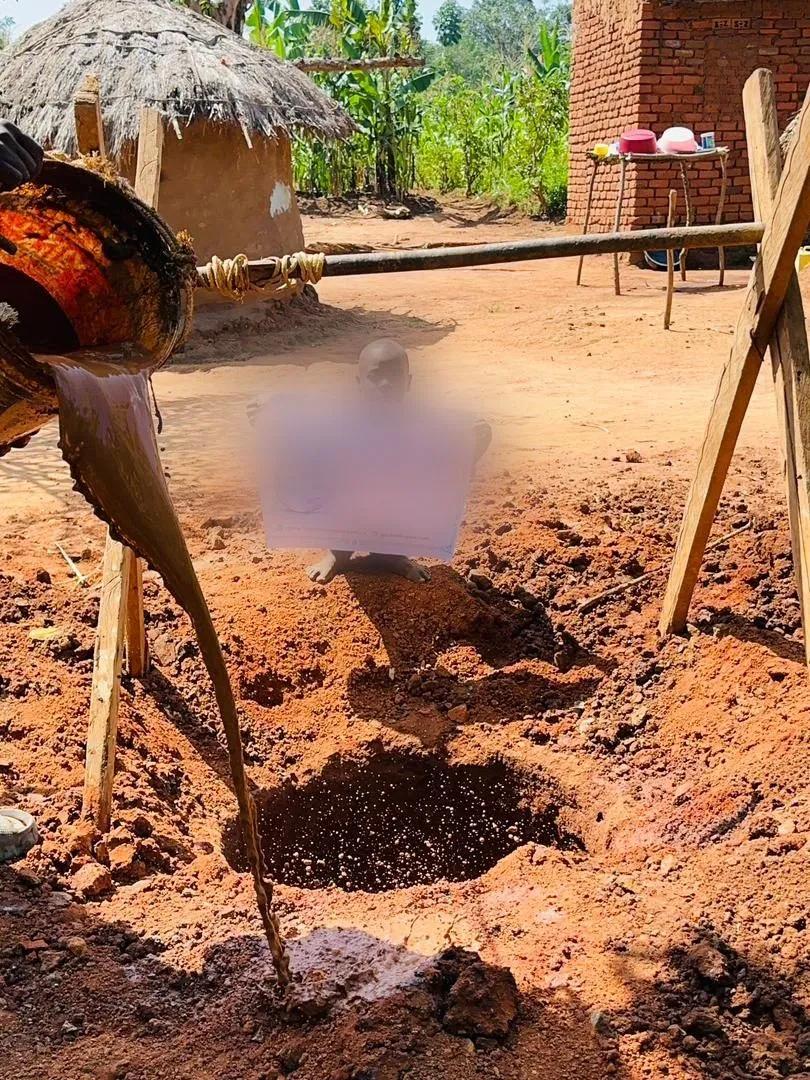
Water well prices differ because appeals fund very different things under the same word. Depth, the hardness of the ground, the type of well and pump, whether the water is lab tested and how much proof you receive all change the cost. Two wells at different prices may simply not be the same well.
If you have searched for a water well to fund, you will have seen prices spread across a wide range. That can feel confusing, or even suspicious. In most cases there is a reasonable explanation, and once you know what to look for, comparing offers becomes much easier.
This article sets out the main factors that move the price of a well, explains what a low or high figure may hide, and gives you a short checklist for a fair water well price comparison.
Why are some water wells so much cheaper?
A low price is not automatically a warning sign. It often reflects a different kind of project. A shallow well in soft, sandy soil can be dug or driven in a short time with few materials. A narrow tube well can reach shallow water with a simple pipe and a small pump.
These wells can be useful where water lies close to the surface. The question is whether that is what the appeal describes. If an offer shows photos of a deep, lined shaft but charges the price of a shallow pipe, something does not add up.
Cheaper wells may also leave out stages that cost money but are invisible in a photo of a finished pump: a proper sanitary seal, a lab test, GPS recording or a written handover. None of these are luxuries. They are what makes a well safe and verifiable.
How does depth change a water well price?
Depth is the single largest factor. Every extra metre means more labour, more lining and more time keeping the shaft stable and safe. Where we work in Uganda, much of the ground is hard, and water is often 50 to 80 metres down.
Shallow water is easier to reach but more exposed. It can be affected by runoff, latrines and dry seasons. Deeper water usually takes more effort to reach and costs more, which is one honest reason a well can be more expensive than another.
When you see a price, ask for the depth. A figure without a depth is like a house price without a number of rooms.
Does the type of well affect the cost?
Yes, a great deal. The main types you will see in appeals are hand-dug wells, tube wells and larger community wells, each with its own cost profile and its own strengths.
- Hand-dug wells with a hand pump: lined shafts, sealed at the top, suited to hard ground and family use.
- Tube wells: narrow pipes driven into shallow water, quick and inexpensive where the ground allows.
- Community or village wells: larger structures shared by many households, often with heavier pumps.
Our guide comparing tube wells, hand-dug wells and community wells sets these out side by side. We build only family hand-dug wells with a hand pump, priced at £560.
Does the region or country change the price?
It can, but less than people assume. Local wages, transport, materials and geology differ between countries and even between districts. A well in one region can cost more simply because materials travel further or the ground is harder.
Regional comparisons are only fair when the wells are similar in depth, type and proof. Our neutral guide to water well costs in Africa and Asia explains which differences are real and which come from comparing different kinds of well.
What hidden costs make a well more expensive?
Some costs never appear in a photo of a finished pump, but they decide whether the well is safe and whether you can check it.
The sanitary seal
A concrete apron around the top of the well stops surface water and dirt from running back into the shaft. It needs cement, labour and curing time.
The laboratory water test
A sample has to be taken correctly and travel to a lab. We include this test at handover for every well, because it is the only honest way to say the water is fit to drink.
Documentation
Staged photos and video, GPS recording and a written report take time on site and in the office. Our guide to photo and video proof of a donation explains why staged images prove more than a single picture of a pump.
Cheap water well vs expensive: which is better value?
Value is not the lowest price or the highest. It is the price that matches the work you can verify. A well that costs more but comes with a lab test, a sealed apron and GPS proof may be better value than a cheaper one with none of those.
Equally, a high price is not proof of quality. Some appeals bundle costs that are not explained anywhere. Without an itemised breakdown, you cannot tell what the extra pays for.
That is why we publish every pound of our £560 on the transparency page, including our operations rate. You do not have to trust the total; you can read each line.
Do running costs explain part of the price?
Every organisation that builds wells has running costs: staff who coordinate the work, payment fees, the systems that send you your report, and the time spent answering questions. Some appeals present a price as if none of this existed, which makes the figure look lower and the claim look cleaner than it can be.
Others fold running costs into the total without saying how large they are. In both cases, you cannot tell how much of your money reaches the site.
We take a third route. Our operations rate is stated plainly, as its own line, next to digging, materials, the pump, the test and documentation. You can see it, judge it and compare it. A price that shows its running costs openly is easier to trust than one that claims to have none.
When you compare offers, ask how running costs are handled. The answer often explains more of the price gap than the well itself.
How to make a fair water well price comparison
Before you compare two offers, put the same questions to both. A short checklist helps:
- What type of well is it, and what pump does it use?
- How deep does it go, and what is the ground like?
- Is the top sealed with a concrete apron?
- Is the water tested in a laboratory at handover?
- Will you receive staged photos and video, not only the finished pump?
- Will you receive the exact GPS location?
- Is the price itemised in public, with running costs shown?
If both offers answer every question clearly, you are comparing like with like. If one cannot, the price difference may be explained by what is missing. Our complete water well donation guide covers the wider decision.
Questions people ask
Is a cheap water well a scam?
Not necessarily. Many low prices reflect shallow, simple wells that can be useful in the right ground. The concern arises when the description, photos or claims do not match the price. Ask for the type, the depth, the test and the proof, and judge the answers rather than the number alone.
Why do you not offer a cheaper well?
Because the ground where we build is hard, water is often 50 to 80 metres down, and we include a sealed apron, a lab test and full documentation for every well. A cheaper version would mean leaving out one of those, and we prefer one standard for every family.
Does a more expensive well last longer?
Not automatically. How long a well keeps working depends on the ground, the quality of the build, the seal and how the pump is used. Price is only a guide if you know what it pays for, which is why the itemised breakdown matters more than the total.
Is your operations cost included in the £560?
Yes. The £560 includes our operations rate, and it is shown on the transparency page alongside the other lines. We do not claim that every penny goes to the field, because no well can be built, tested and documented without some running costs.
Can I see your breakdown before I pay?
Yes. The full breakdown is public on the transparency page and summarised on the water well page. You can read it, compare it with other offers and ask us questions by email before you decide.
The short version
Water well prices differ because the wells differ. Ask about type, depth, seal, testing and proof, and the numbers start to make sense. If you would like to see how our price breaks down, the stages and the figures are on our family water well page, ready for you to read at your own pace.
Keep reading
Water Well Donation: The Complete Guide for Donors
A water well donation funds a family hand-pump well in Uganda for £560. What it costs, how it is built, what proof you receive and how to choose well.
Water Well Cost in Dollars: A Guide for US and Canada
Water well cost in dollars: our family well is priced at £560 and shown in your own currency on the site. What it covers and what US donors receive.
How Much Does a Water Well Cost? A £560 Price Explained
How much does a water well cost? A family hand-pump well in Uganda costs £560. See what each part pays for, why depth matters and what proof you receive.