Journal
Sadaqah Jariyah Hadith: The Authentic Narrations Explained
The sadaqah jariyah hadith in Sahih Muslim and related narrations, with exact references and what they teach about deeds that continue after death.
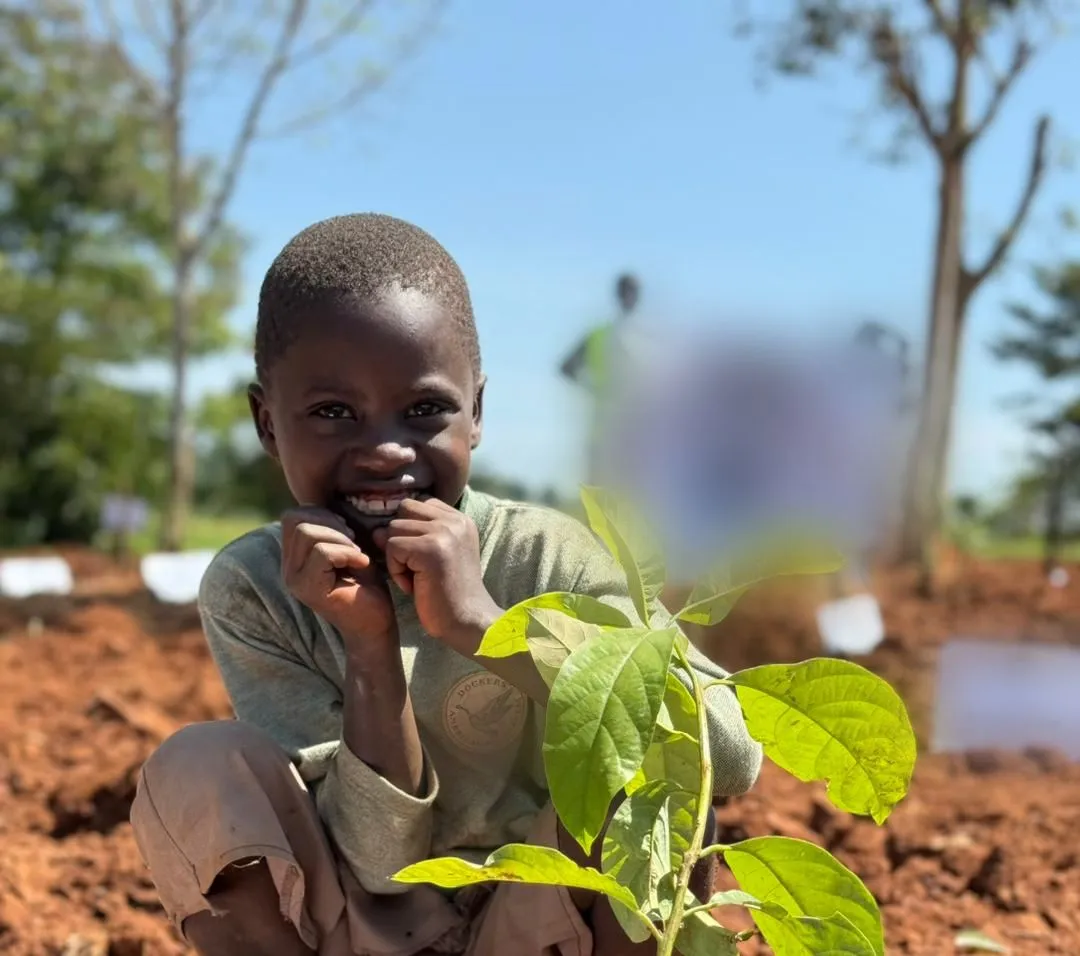
The main sadaqah jariyah hadith is in Sahih Muslim, no. 1631: when a person dies, their deeds end except three, a continuing charity, beneficial knowledge, or a righteous child who prays for them. Related narrations name concrete examples, such as digging a well and planting a palm tree, and allow giving on behalf of the dead.
These few lines shape how many Muslims think about giving. They explain why so many families fund a well or plant trees in the name of a parent, and why the idea of a gift that keeps running feels so important.
Below we set out each authentic narration with its reference, explain the key words, and note what the texts do not say. If you are new to the topic, our guide on what sadaqah jariyah is gives the full picture first.
The hadith on continuing charity in Sahih Muslim
Abu Hurayrah narrated that the Prophet ﷺ said:
When a person dies, their deeds come to an end except three: a continuing charity, knowledge that benefits, or a righteous child who prays for them.Sahih Muslim, no. 1631
This is the hadith on continuing charity that most people mean when they speak of sadaqah jariyah. It is short and its message is clear. Death closes the record of a person's own actions, with three exceptions. Each exception describes something that goes on working without the person being present.
The Arabic words for continuing charity are sadaqah jariyah. Jariyah means flowing or running. The image is of water that keeps moving, which is why scholars connected the phrase with gifts such as wells, canals and trees that keep giving benefit.
The three deeds that continue after death
The hadith names three deeds that continue after death. Each is worth looking at on its own:
- A continuing charity: something given for the sake of Allah that people keep using, such as a well, a tree or a place of worship.
- Knowledge that benefits: teaching, writing or passing on knowledge that others act on and teach in turn.
- A righteous child who prays for them: the good a parent does in raising a child, and the child's own prayers for the parent.
Notice what links the three. None of them depends on the person still being alive to act. The well is drawn from, the knowledge is used, the child prays. The benefit runs by itself.
This is also why scholars often say a continuing charity should be something real and lasting. A gift that is used up on the day it is given is still a good sadaqah, but it is not what this hadith describes. Our guide on the difference between sadaqah and sadaqah jariyah looks at that line in more detail.
The narration of seven deeds, including digging a well
A second narration, reported by al-Bazzar and authenticated by al-Albani in Sahih al-Targhib, no. 73, goes further. It lists seven deeds whose reward reaches a person in the grave:
- Teaching knowledge
- Digging a river
- Digging a well
- Planting a palm tree
- Building a mosque
- Leaving a Qur'an
- Leaving a child who asks forgiveness for them
This list is useful because it turns the general phrase continuing charity into concrete examples. Two of the seven are about water and one is about a tree. Many families read it as a practical guide to what a sadaqah jariyah can look like today.
It does not rank the seven deeds against one another, and it does not say one is always better than another. If you want help comparing them in practical terms, our article on the best sadaqah jariyah weighs the main options.
Can you give sadaqah jariyah on behalf of someone who has died?
Yes. A man came to the Prophet ﷺ and said that his mother had died suddenly. He thought that if she had been able to speak, she would have given charity. He asked whether he could give charity on her behalf, and the Prophet ﷺ said yes. This is recorded in Sahih al-Bukhari, no. 1388.
This narration is the basis for a very common practice: a son or daughter funds a well, a tree or a copy of the Qur'an in the name of a parent who has passed away. The intention is made by the giver, for the benefit of the person who has died.
Many readers come to these hadith after a loss. If that is your situation, we have written a gentle, practical guide to sadaqah jariyah for a deceased mother, with suggestions for the wording of a plaque or sign.
What these hadith do not say
It is easy to read more into these texts than they contain. A few cautions help:
- They do not set a price. A small lasting gift fits the description as well as a large one.
- They do not promise a specific reward. Reward is with Allah, and no organisation can guarantee it.
- They do not say that one form must be chosen over another for everyone.
- They do not require the gift to carry a name, though many people like to add one.
We are careful about one more point. Some popular sayings about water are widely shared online, but their grading is disputed among scholars. We only quote narrations whose references are clear, and we encourage you to ask a trusted local scholar if you are unsure about any text you see quoted.
How the hadith shape giving today
For many families, these narrations lead to a simple question: what can I fund that people will keep using? Water and trees are common answers, partly because they appear in the narration of seven deeds and partly because their benefit is daily and visible.
A family hand-pump well in Uganda costs £560, shown in your own currency on the site, with every pound itemised on our water well page. The ground there is often hard, with water often 50 to 80 metres down, and the water is tested in a lab at handover. You receive photos and video of the stages, the exact GPS location, a handover report and your chosen name on the plaque, up to 30 characters, by email as a permanent gallery link.
Fruit trees planted for a named family are another option, from £39 for a banana, guava or papaya tree to £109 for a date palm. The field teams we work with have planted more than 60,000 fruit trees.
Whatever you choose, the hadith point to the same habit: give something lasting, give it sincerely, and leave the outcome to Allah. A clear intention, made before you give, matters more than the size of the gift or the words on a plaque. Many people also find it helps to tell their family, so the gift is remembered and the prayers continue.
Questions people ask
Is the sadaqah jariyah hadith authentic?
Yes. The hadith of three deeds is recorded by Imam Muslim in his Sahih, no. 1631, one of the most trusted hadith collections. The narration of seven deeds is reported by al-Bazzar and authenticated by al-Albani in Sahih al-Targhib, no. 73.
Who narrated the hadith of the three deeds?
It was narrated by Abu Hurayrah, one of the Companions of the Prophet ﷺ who reported the largest number of hadith. Imam Muslim recorded it with a full chain of narrators in his Sahih.
Does the hadith mean only these three things count?
The hadith names three categories, and continuing charity is itself broad. Scholars have understood it to include many lasting gifts, such as wells, trees, mosques and copies of the Qur'an. The narration of seven deeds gives further examples within the same idea.
Can a gift made in my lifetime count after my death?
That is the plain meaning of the hadith. A continuing charity you fund now may keep benefiting people after you are gone, for as long as it is used. The reward itself rests with Allah, and nobody can promise its size or its length.
Should the name of the deceased appear on the gift?
It is not required by any hadith. Many families still like to add a name because it makes the gift personal and easy to remember. For a well the name goes on the plaque, and for a tree it goes on the sign beside it.
The short version
The sadaqah jariyah hadith teach that some good keeps flowing after death: a continuing charity, beneficial knowledge and a child who prays. Related narrations name wells and palm trees, and allow giving for a parent who has died. If these words move you, choose one lasting gift, set your intention, and give it calmly, in your own time.
Keep reading
What Is Sadaqah Jariyah? Meaning, Hadith and Examples
What is sadaqah jariyah? Its meaning, the hadith behind it, clear examples of continuing charity in Islam, and how to choose one you can see.
Best Sadaqah Jariyah: How to Compare the Main Forms
Which is the best sadaqah jariyah? A calm comparison of water, trees, knowledge and mosques, by daily benefit, cost and proof you can actually check.
Best Times to Give Sadaqah: A Year-Round Islamic Calendar
The best times to give sadaqah across the Islamic year, from Ramadan 2027 to Dhul Hijjah and family milestones, with a calm plan for sadaqah jariyah.