Journal
What Is Sadaqah Jariyah? Meaning, Hadith and Examples
What is sadaqah jariyah? Its meaning, the hadith behind it, clear examples of continuing charity in Islam, and how to choose one you can see.
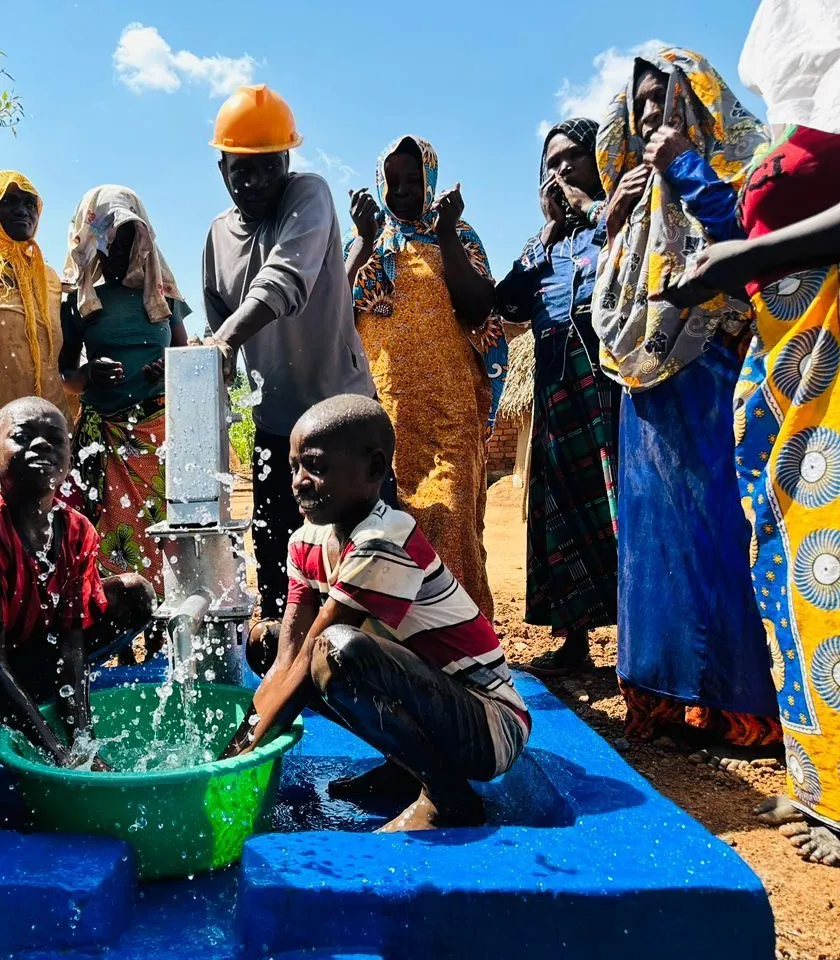
Sadaqah jariyah is a continuing charity: a gift whose benefit keeps flowing after the act of giving, and, in Islamic teaching, after the giver has died. A water well, a fruit tree or beneficial knowledge are classic examples. What is sadaqah jariyah in practice? Anything people keep using, long after you paid for it.
The term comes from a well known hadith about the three deeds that do not end with death. Muslims in the UK, Canada, Australia and the US often give it for themselves, for a parent who has passed away, or to mark a birth, a marriage or a new start.
This guide covers the meaning, the hadith, the main examples and how to choose a gift you can check, with links to every guide in our series.
What does sadaqah jariyah mean?
Sadaqah is a voluntary gift given for the sake of Allah: a coin, a meal or a kind word. Jariyah comes from an Arabic root meaning to flow, the way water runs in a stream.
Put together, the sadaqah jariyah meaning is a gift that keeps flowing. A meal is eaten once. A well is drawn from every day by the same families. A tree gives fruit season after season. The giving happened once, but the benefit continues.
That is why many people call it continuing charity in Islam: some gifts are built to last. For how the two kinds of giving differ, read our guide on the difference between sadaqah and sadaqah jariyah.
Which hadith is sadaqah jariyah based on?
The best known source is a short hadith narrated by Abu Hurayrah and recorded by Imam Muslim. The Prophet ﷺ said:
When a person dies, their deeds come to an end except three: a continuing charity, knowledge that benefits, or a righteous child who prays for them.Sahih Muslim, no. 1631
The phrase translated as continuing charity is sadaqah jariyah. Scholars have also gathered related narrations that list specific deeds, among them digging a well and planting a palm tree, which are reported in Sahih al-Targhib. We go through each narration, its source and what it does and does not say in our guide to the authentic sadaqah jariyah hadith.
Note that no hadith lets anyone promise a fixed reward. The reward is with Allah alone.
Examples of sadaqah jariyah
Most examples of sadaqah jariyah fall into a few families of giving. Each one funds something that people keep using:
- Water: a family hand-pump well, a tap stand or a water point that a household draws from every day.
- Trees: fruit trees planted for a named family, giving food and an income from the harvest.
- Knowledge: funding a teacher, a school building, books or a copy of the Qur'an.
- Places of worship: helping to build or equip a mosque.
- Children and family: raising a child who prays for you, which the hadith names directly.
We have collected more options, with notes on cost and proof, in our list of sadaqah jariyah ideas.
Why water and trees are the most common choices
Water and trees appear again and again in the narrations, and they make sense for a practical reason too: almost everyone benefits from them, every day, with no further cost to the family. A well is used from the first morning. A tree is watered, grows, and begins to feed a household. If you are weighing the options, our comparison of the best sadaqah jariyah sets them side by side.
In Uganda, where we fund family hand-pump wells, the ground is often hard and water is often 50 to 80 metres down. A family well costs £560, shown in your own currency on the site, and every pound is itemised on the water well page. The water is tested in a lab at handover.
Trees are planted for a named family. Prices start at £39 for a banana, guava or papaya tree and go up to £109 for a date palm. The Prophet ﷺ spoke of the person who plants a tree whose fruit is eaten, and we explain that narration in our article on the hadith about planting trees. There is more on water specifically in our guide to the rewards of giving water in Islam.
Can you give sadaqah jariyah for yourself or for others?
Yes, both. Many people give a continuing charity for themselves while they are alive, hoping its benefit stays with them. We look at that choice in our guide to giving sadaqah jariyah for yourself.
It is equally common to give on behalf of someone who has died. A man once told the Prophet ﷺ that his mother had died suddenly, and that he thought she would have given charity had she been able to speak. He asked whether he could give on her behalf, and the Prophet ﷺ said yes. The narration is in Sahih al-Bukhari, no. 1388.
The name you choose goes on the well plaque, up to 30 characters, or on the tree sign. The intention, or niyyah, behind your gift is what gives it meaning, and you can state it quietly in your own words.
Do you need a lot of money to give sadaqah jariyah?
No. The hadith does not set a minimum, and a small gift that lasts is still a continuing charity. A single banana or papaya tree costs £39. Two trees are 10% off and three or more are 20% off, so a small group can plant several together.
Giving a little each month is another way in. Monthly gifts start at £15 with The Seed. The Spring, at £47 a month, funds about one well a year, and The Orchard, at £95 a month, about two wells a year. You can change or stop at any time with one email. We explain how this works in our guide to monthly sadaqah jariyah, and we share practical options in small sadaqah jariyah on a budget.
Some prefer a set day: see sadaqah on Friday. Young people have their own guide in sadaqah jariyah for students.
How to choose a continuing charity you can verify
Because the benefit is meant to last, it is reasonable to ask for proof that the work exists. Before you give, check a few things:
- Is the price itemised, so you know where each pound goes?
- Will you receive photos and video of the stages, not just a thank you note?
- Is the exact GPS location shared, so the place can be found?
- Is there a handover report, and is the water tested?
- Is the name you chose shown on a plaque or sign you can see?
For a well, we send all of this by email as a permanent gallery link, usually 3 to 5 weeks from payment to handover report. For trees, you receive photos of the planting, the sign with the name and the GPS location. Our step by step sadaqah jariyah checklist turns these questions into a short list you can use with any organisation.
Blue & Green Hope is a UK company, and the field teams we work with have planted more than 60,000 fruit trees and helped more than 30,000 families.
Guides in this series
- The hadith on continuing charity, explained
- Which sadaqah jariyah is most rewarding
- Practical ways to give sadaqah jariyah
- Sadaqah vs sadaqah jariyah
- Giving sadaqah every month
- Jumuah sadaqah and the best day to give
- Sadaqah jariyah for kids
- What the Prophet ﷺ said about planting
- A continuing charity in your own name
- Affordable sadaqah jariyah
- Giving water in Islam
- Setting your niyyah before giving
- A checklist before you give
- Sadaqah jariyah for young people
Questions people ask
Is sadaqah jariyah only for people who have died?
No. You can give a continuing charity at any time, for yourself, for a living parent, for a child or for someone who has passed away. The hadith describes what continues after death, but the gift itself is usually made during life, by you or by family on behalf of someone.
Can several people share one sadaqah jariyah?
Yes. Families, friends or a mosque group often pool money for a well or a set of trees, and it is a good way of teaching children about sadaqah. Each person sets their own intention. Agree one name for the plaque or sign, and who receives the gallery link.
Is a donation to a general fund sadaqah jariyah?
It can be, if the money funds something lasting. The difficulty is that you rarely know what it paid for. If seeing the result matters to you, choose a specific project with an itemised price, a location and photos, so you know exactly what your gift became.
How long does a sadaqah jariyah last?
As long as the thing you funded is used. A well serves its families while it gives water, and a tree feeds people while it bears fruit. We do not put a number on it, and we would be cautious of anyone who promises a fixed length of benefit.
Do I receive proof for a well or a tree?
Yes. For a well you receive photos and video of the stages, the GPS location, a handover report and the plaque with your chosen name, by email as a permanent gallery link. For trees you receive planting photos, the named sign and the GPS location. See how we verify each project.
Where to start
Sadaqah jariyah is a gift that keeps flowing: water drawn each morning, fruit picked each season, knowledge passed on. Start with the form that feels closest to your heart and your budget, set your intention, and ask for proof you can see. When you are ready, a family well or a single named tree is a calm, clear place to begin.
Keep reading
Best Sadaqah Jariyah: How to Compare the Main Forms
Which is the best sadaqah jariyah? A calm comparison of water, trees, knowledge and mosques, by daily benefit, cost and proof you can actually check.
Sadaqah Jariyah Hadith: The Authentic Narrations Explained
The sadaqah jariyah hadith in Sahih Muslim and related narrations, with exact references and what they teach about deeds that continue after death.
Best Times to Give Sadaqah: A Year-Round Islamic Calendar
The best times to give sadaqah across the Islamic year, from Ramadan 2027 to Dhul Hijjah and family milestones, with a calm plan for sadaqah jariyah.